
- Regularly check transmission fluid to prevent gear slipping, overheating, and costly repairs, following your manufacturer’s recommended intervals.
- Automatic and manual transmissions require different methods: use the dipstick for automatics and the fill plug for manuals.
- Inspect fluid condition as well as level—healthy fluid is typically red or pink for automatics and clear or amber for manuals; dark, burnt, or gritty fluid signals a problem.
- Warm the engine and park on a level surface for accurate readings, especially for automatic transmissions.
- Maintain fluid health by avoiding overheating, performing regular inspections, changing fluid when needed, and addressing leaks promptly.
- Use only the manufacturer-recommended fluid type and avoid overfilling, as incorrect or excessive fluid can damage the transmission.
Transmission fluid is the lifeblood of your car’s transmission system. Whether you drive an automatic or manual car, keeping your transmission fluid at the proper level and in good condition is essential for smooth shifting and avoiding costly repairs. This guide will walk you through how to check transmission fluid on both types of vehicles, common signs of low or bad fluid, and tips to maintain your transmission’s health.
Why Checking Transmission Fluid Matters
Transmission fluid plays a vital role in your car’s performance. Here’s why you shouldn’t overlook it:
- Lubrication: It keeps all the moving parts in your transmission system properly lubricated to prevent wear and tear.
- Cooling: It helps dissipate heat generated by friction in the transmission system.
- Hydraulic Function: In automatic cars, transmission fluid acts as hydraulic fluid to enable smooth gear shifts.
- Contamination Protection: Clean fluid prevents dirt and metal particles from damaging the transmission.
Neglecting to check your fluid can result in gear slippage, overheating, or even total transmission failure, which can be very expensive to repair.
How Often Should You Check Transmission Fluid?
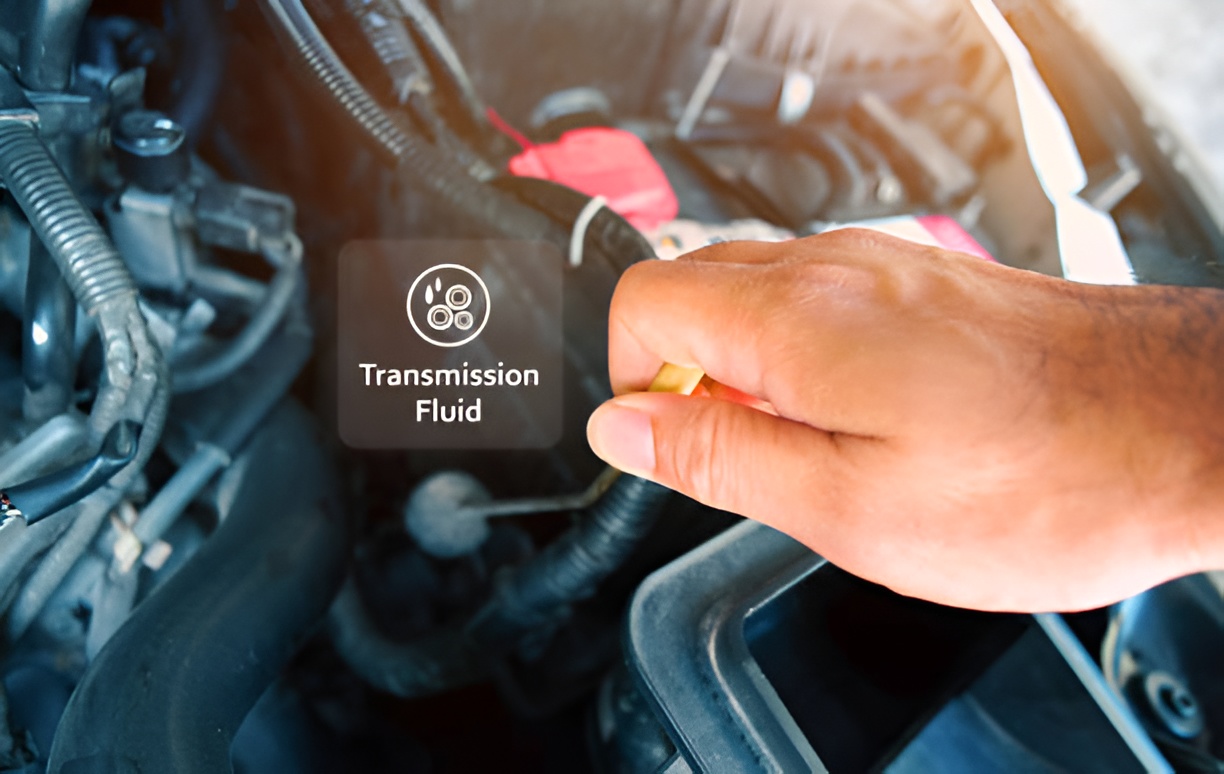
Most mechanics recommend checking transmission fluid every 30,000 to 60,000 miles. However, it’s a good idea to check more frequently if:
- You notice rough shifting or delayed gear engagement.
- You drive in stop-and-go traffic frequently.
- Your car often carries heavy loads.
- You notice a burning smell from the transmission.
Regular checks help you catch issues early before they turn into costly repairs.
How to Check Transmission Fluid on Automatic Cars
Automatic transmissions rely heavily on fluid for hydraulic pressure, smooth gear shifts, and lubrication. Checking fluid in an automatic car is generally straightforward, but the process can vary slightly depending on your vehicle’s make and model. Doing this correctly can help prevent slipping gears, overheating, or costly transmission repairs.
What You’ll Need
- Clean rag or paper towel – To wipe the dipstick and check fluid condition.
- Gloves (optional) – Keeps hands clean and protects against hot surfaces.
- Vehicle owner’s manual – Essential for locating the dipstick and knowing the correct fluid type.
Step-by-Step Guide
- Warm Up Your Car
Most automatic transmissions should be checked when the engine is at normal operating temperature. Drive your car for 10-15 minutes to warm the fluid. Warm fluid flows better and gives a more accurate reading. Checking cold fluid can lead to false low readings or misdiagnosis.
- Park on a Level Surface
Always check your transmission fluid on level ground. Parking on an incline or uneven surface can result in an inaccurate reading. Engage the parking brake for safety.
- Locate the Dipstick
Consult your owner’s manual for the exact location. Transmission dipsticks are usually labeled and found near the engine. Some newer models do not have a dipstick, in which case professional service or a dealer visit may be required.
- Check the Fluid Level
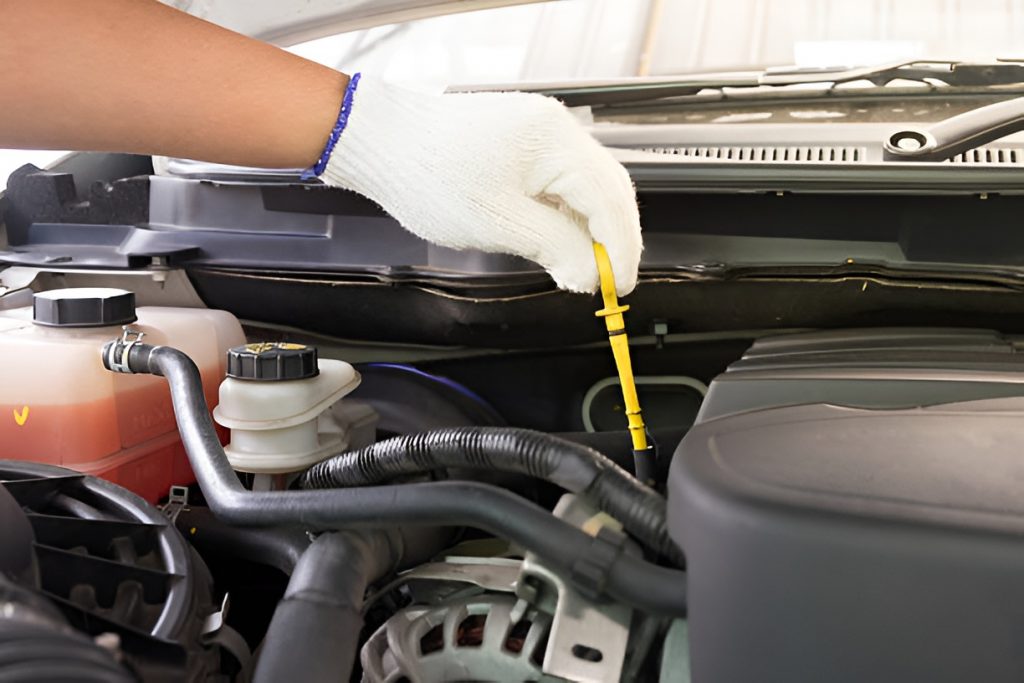
- Pull out the dipstick and wipe it clean with a rag.
- Reinsert the dipstick fully, then pull it out again to check the level.
- The fluid level should be between the “Full” and “Add” marks.
- Inspect the Fluid Condition
- Healthy transmission fluid is usually red or pink and clear.
- If the fluid appears dark brown, black, or smells burnt, it’s a sign of contamination or overheating, and it may need changing.
- Bubbles or foam in the fluid can indicate overfilling or aeration, which can damage the transmission.
- Add Fluid if Necessary
- Only use the type specified in your owner’s manual.
- Pour slowly and check the level frequently to avoid overfilling.
- Avoid adding fluid if it’s already near the maximum mark, as overfilled transmission fluid can cause foaming and internal damage.
Tips for Automatic Cars
- Never check the fluid with the engine off unless your manual specifies otherwise; some vehicles require the engine running to get an accurate reading.
- Avoid overfilling—it can lead to foaming, erratic shifting, and damage to seals.
- Keep an eye on leaks, as low fluid levels are often caused by a leak somewhere in the system.
- If you notice milky or opaque fluid, it could indicate coolant contamination—a serious issue requiring professional attention.
How to Check Transmission Fluid on Manual Cars
Manual transmissions don’t rely on fluid for hydraulic operation like automatics, but fluid is still essential for lubricating gears, bearings, and other internal components. Proper maintenance prevents wear and extends the life of your transmission.
What You’ll Need
- Vehicle owner’s manual – To locate the fill plug and confirm fluid type.
- Ramps or jack – Many manual transmissions have a fill plug underneath the vehicle.
- Clean rag – To wipe the plug area and prevent dirt from entering.
Step-by-Step Guide
- Locate the Fill Plug
Manual cars usually do not have a dipstick. The fill plug is often located on the side of the transmission housing. Check your owner’s manual for the exact position.
- Ensure the Car is Level
Use ramps or a jack to raise the car if needed, but make sure it is stable and level. A tilted car can cause inaccurate readings or fluid spillage. Engage the parking brake for safety.
- Remove the Fill Plug
- Use the correct tool to remove the plug carefully.
- Wipe the surrounding area clean to prevent dirt or debris from entering the transmission.
- Check the Fluid Level
- The fluid should be at the bottom of the fill hole.
- If it’s below this point, you’ll need to add more fluid.
- Inspect the Fluid
- Manual transmission fluid is typically clear or amber.
- If the fluid is dark, gritty, or smells burnt, it should be replaced.
- Top Up if Needed
- Use the manufacturer-recommended type of manual transmission fluid.
- Slowly fill until it reaches the correct level. Overfilling can create pressure and potentially damage seals.
Tips for Manual Cars
- Always clean around the fill plug before removing it to avoid contamination.
- Manual transmissions generally require fluid changes less frequently than automatic transmissions, but regular inspection is still important.
- If your transmission is noisy or feels rough, the fluid may be degraded or low—inspect and top up as necessary.
- Avoid using automatic transmission fluid in a manual gearbox, as the viscosity and additives may not be compatible.
Common Signs You Need to Check Transmission Fluid

Even if you follow a regular maintenance schedule, certain warning signs indicate it’s time to inspect your transmission fluid:
- Gear Slippage or Delayed Engagement – Your car shifts late, slips out of gear, or struggles to engage.
- Burning Smell – Fluid is overheating or contaminated, which can damage transmission components.
- Unusual Noises – Whining, clunking, or grinding sounds from the transmission.
- Fluid Leaks – Puddles under the car or wet spots near the transmission housing.
- Rough Shifting – Hesitation, jerking, or stiff gear changes.
- Dashboard Warning Lights – Some cars have transmission warning lights that alert you to fluid or pressure issues.
Can You Drive with Low Transmission Fluid?
Driving with low transmission fluid is risky. It can cause:
- Overheating of transmission components
- Excessive wear of gears and bearings
- Complete transmission failure
If your transmission fluid is low, top it up before driving long distances or heading onto highways.
How to Maintain Healthy Transmission Fluid
Keeping transmission fluid in good condition extends the life of your transmission. Here are practical maintenance tips:
Follow Manufacturer Recommendations
Your vehicle’s owner’s manual is the most reliable source for guidance on transmission fluid. Always:
- Use the type of fluid recommended for your car—automatic and manual transmissions often require different formulations.
- Follow the fluid change intervals suggested by the manufacturer. Some newer cars have “lifetime” fluid, but periodic inspections are still essential.
- Be aware that some vehicles have special requirements, such as high-mileage or synthetic-only fluids.
Following these instructions ensures your transmission is properly lubricated and protected.
Regular Inspections
Even if your fluid is in good condition, regular checks can help you catch problems early:
- Check fluid levels and color at least once a month or every few hundred miles.
- Inspect for burnt smell or cloudiness, which indicates degraded or contaminated fluid.
- Look for small leaks under the car or around the transmission housing.
Routine inspections can prevent minor issues from turning into major transmission repairs.
Avoid Overheating
Transmission fluid performs best at the correct operating temperature. Overheating can break down the fluid, reduce lubrication, and damage seals:
- Avoid overloading your car with heavy cargo, especially in hot weather.
- Take breaks when towing heavy trailers to prevent transmission strain.
- Ensure your cooling system and radiator are functioning properly, as they help keep fluid temperatures stable.
Preventing overheating extends both the fluid’s life and your transmission’s longevity.
Change Fluid When Needed
Even high-quality transmission fluid breaks down over time due to heat and friction. Replace it if:
- The fluid is dark brown or black instead of red or pink.
- There’s a burnt smell, indicating overheating.
- You notice slipping, rough shifting, or unusual noises during gear changes.
Changing fluid on schedule keeps your transmission lubricated, reduces wear, and prevents internal damage.
Fix Leaks Promptly
Small leaks may seem minor, but even a tiny loss of transmission fluid can cause significant problems:
- Check for wet spots under the vehicle or around seals and gaskets.
- Address leaks as soon as possible to prevent low fluid levels and overheating.
- Using the proper sealant or visiting a mechanic early can save hundreds or thousands in repairs.
Common Mistakes to Avoid When Checking Transmission Fluid
- Checking Cold – Automatic fluid should be warm unless your manual specifies otherwise.
- Overfilling – Too much fluid can create foam and reduce lubrication.
- Ignoring Fluid Color – Dirty or burnt fluid is a warning sign.
- Using the Wrong Fluid – Always use the fluid specified for your transmission type.
- Neglecting Manual Transmission Checks – Manual cars still need fluid; ignoring it can shorten transmission life.
How Transmission Fluid Affects Car Performance
Transmission fluid impacts:
- Smoothness of Shifting – Low or dirty fluid causes jerky or delayed gear changes.
- Fuel Efficiency – Proper lubrication reduces friction and improves mileage.
- Longevity of Transmission – Clean fluid prevents excessive wear and costly repairs.
- Temperature Regulation – Fluid helps prevent overheating during stop-and-go traffic.
How to Change Transmission Fluid
While this guide focuses on checking fluid, it’s helpful to know the basics of fluid changes:
- Automatic Cars – Usually require a drain and refill or a fluid exchange. Some newer models may need dealer service.
- Manual Cars – Fluid is drained via the drain plug and refilled via the fill plug.
- Frequency – Typically every 30,000 to 60,000 miles, depending on the car and driving conditions.
- Safety – Always use the correct fluid type and dispose of old fluid responsibly.
Frequently Asked Questions About Transmission Fluid
Q: How do I know if my transmission fluid is low?
A: Look for a dipstick reading below the “Full” mark, check for leaks, and notice any gear slipping or unusual noises.
Q: Can I check transmission fluid myself?
A: Yes, with the right tools and precautions, checking fluid is something most car owners can do at home.
Q: What if my car doesn’t have a dipstick?
A: Some newer cars require dealer or mechanic service to check fluid levels. Consult your owner’s manual.
Q: Is it dangerous to drive with old fluid?
A: Yes, old or contaminated fluid can reduce lubrication and lead to overheating or transmission damage.
Q: Can I mix different types of transmission fluid?
A: It’s not recommended. Always use the fluid type specified by your vehicle manufacturer.
Final Thoughts
Knowing how to check transmission fluid on automatic and manual cars is a simple step that can save you from expensive repairs. Regular checks, fluid inspection, and timely maintenance ensure your car shifts smoothly, runs efficiently, and lasts longer. Taking a few minutes every few weeks or months to monitor your transmission fluid is an easy investment in your car’s health.