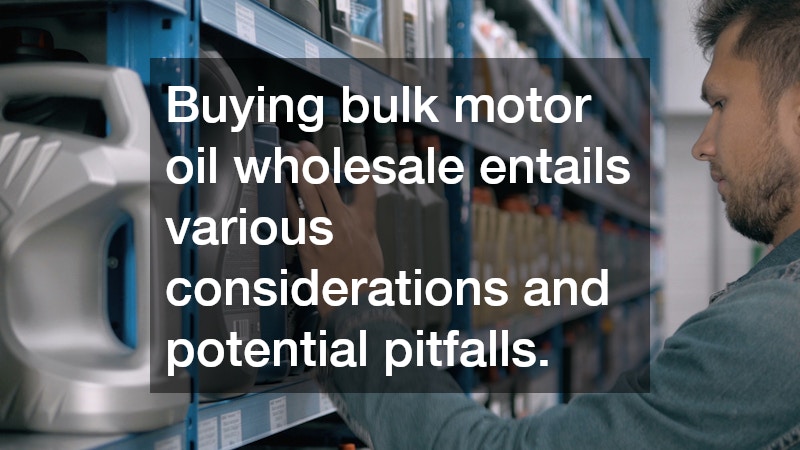
Purchasing bulk motor oil wholesale can be a cost-effective and efficient strategy for businesses that rely heavily on vehicle operation. However, the process is not without its challenges.
By understanding and avoiding common pitfalls, you can ensure your investment maximizes business efficiency and minimizes risks.
1. Not Researching Suppliers Thoroughly
One major mistake businesses often make when buying bulk motor oil wholesale is failing to thoroughly research suppliers. It’s crucial to understand a supplier’s reputation, customer reviews, and market standing before entering into a contract. By thoroughly vetting suppliers, you can avoid issues related to product quality and reliability.
Look for suppliers with a track record of reliability and customer satisfaction, which often signals a commitment to quality. Businesses should examine supplier credentials and ask for references from other customers. Neglecting this due diligence process can result in acquiring subpar products and unsatisfactory supplier service.
Additionally, understanding a supplier’s history with past clients and their experience in the market can provide valuable insights. Don’t hesitate to ask for specifics about the supplier’s sourcing and quality control processes. Ensuring supplier transparency helps mitigate risks associated with product inconsistency.
2. Ignoring Cost Fluctuations and Market Trends
Another pitfall to avoid is neglecting to monitor cost fluctuations and market trends. Oil prices can be volatile and are influenced by global events, demand, and governmental policies, among other factors. Keeping an eye on these trends can aid in making informed purchasing decisions.
Engage regularly with industry reports and economic forecasts, as these can serve as valuable tools in understanding potential cost changes. Partnering with suppliers who offer price-lock agreements can shield your business from unexpected price hikes. Failing to anticipate and adjust to these variations can lead to increased operational costs, negatively impacting your bottom line.
Maintaining communication with your suppliers about market trends can also help. They often provide informed insights, which can aid strategic planning. Being proactive rather than reactive in this regard helps secure better pricing and maintains budget stability.
3. Overlooking Storage Requirements
Proper storage is key to maintaining the quality and safety of bulk motor oil. Many businesses overlook this aspect, which can lead to product degradation or safety hazards. Ensure that you have appropriate storage facilities that meet all regulatory and environmental safety standards.
Temperature control, contamination prevention, and spill management are crucial elements of storing bulk motor oil securely. Invest in facilities that utilize modern technology for monitoring and controlling storage conditions. Poor storage practices can result in costly losses and potential environmental fines.
Evaluate your current storage facilities to identify any shortcomings and work towards improvements. Engaging with environmental and safety experts can offer tailored recommendations for your specific needs. Addressing storage needs upfront safeguards your investment in bulk motor oil purchases.
4. Underestimating Regulatory Compliance
Regulatory compliance is an area that businesses often underestimate when purchasing bulk motor oil wholesale. Fines and legal issues can arise if products do not meet local, state, or federal guidelines. Ensuring compliance can protect your company from legal liabilities and enhance your reputation in the marketplace.
Maintain up-to-date knowledge about motor oil regulations and act promptly to implement necessary changes. Consult with legal or compliance experts who specialize in environmental laws to mitigate risks. By proactively managing compliance, you help ensure ongoing operations without disruptions or penalties.
Additionally, maintaining open communication with suppliers about compliance can help identify potential issues before they become liabilities. Suppliers who are proactive about compliance measures are more likely to provide support in case of regulatory changes. Strive for partnerships in business that prioritize environmental responsibility and legal transparency.
5. Failing to Negotiate Terms Effectively
The ability to negotiate favorable terms when purchasing bulk motor oil can significantly affect cost efficiency. Failing to negotiate may result in less favorable pricing or terms that do not align with business needs. Being prepared to negotiate can save money and improve supplier relationships.
Prior to entering discussions, know your requirements and current market rates to leverage negotiations effectively. Flexibility with contract terms, such as the volume of purchase or delivery schedule, can also be a valuable negotiating tool. By approaching negotiations with a clear strategy, you position your business better for cost savings.
Establishing a mutually respectful rapport with suppliers is key; this fosters long-term relationships beneficial for future negotiations. Show willingness to collaborate on solutions, which can lead to more personalized service and pricing. Avoiding rigid demands improves your standing with suppliers and can lead to more fruitful agreements.
Buying bulk motor oil wholesale entails various considerations and potential pitfalls. By taking proactive measures to understand supplier credentials, market trends, storage requirements, and regulatory compliance, businesses can protect their investments. Effective negotiation strategies further enhance the purchasing process, ensuring both cost-effectiveness and efficiency.