
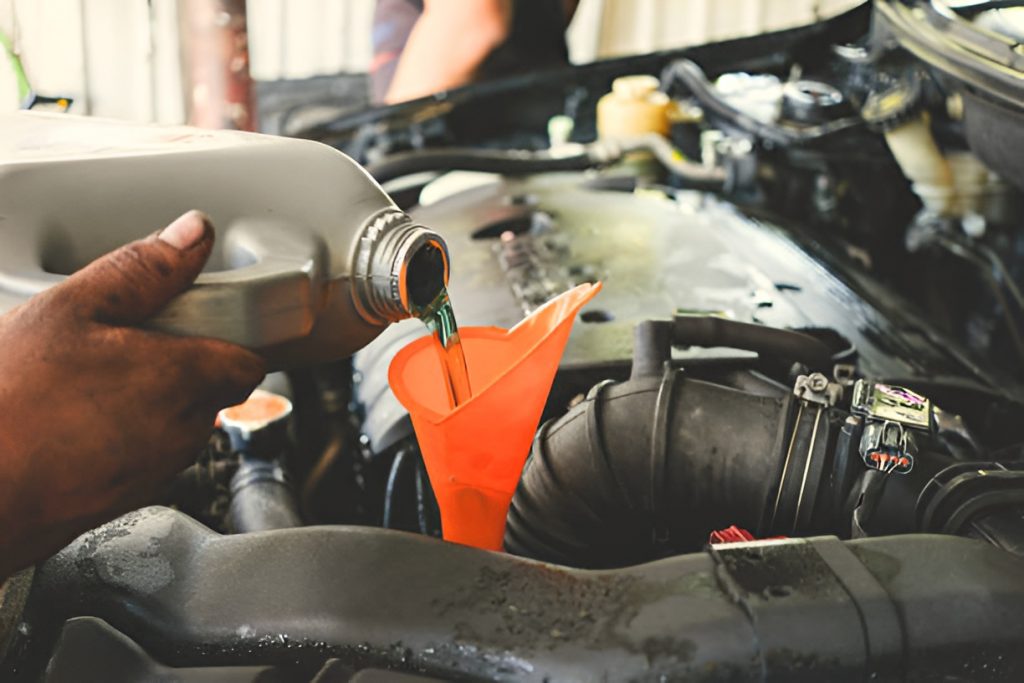
- Regularly changing transmission fluid is essential to keep your car’s transmission running smoothly and prevent costly repairs.
- Automatic and manual transmissions have different procedures; automatics often require a filter change, while manuals usually do not.
- Signs that it’s time to change fluid include discolored or burnt-smelling fluid, delayed gear engagement, noisy operation, or leaks.
- Using the correct fluid type, avoiding overfilling, and working on a level surface are critical to a successful fluid change.
- Inspecting transmission fluid every few months helps catch issues early, even if it hasn’t reached the full change interval.
- DIY transmission fluid changes are possible with the right tools and precautions, but complex transmissions or lack of confidence may warrant professional help.
Changing your car’s transmission fluid may not be the most glamorous task, but it’s one of the most important maintenance jobs to keep your vehicle running smoothly. Whether you drive an automatic or manual car, knowing how to change transmission fluid can save you money on costly repairs and extend the life of your transmission. This guide will walk you through everything you need to know, from signs that it’s time to change your fluid to step-by-step instructions for both types of transmissions.
Why Is Transmission Fluid Important?

Transmission fluid plays a critical role in your vehicle’s operation. It lubricates moving parts, reduces friction, prevents overheating, and ensures smooth gear shifts. Without clean, properly filled transmission fluid, your car can experience:
- Slipping gears
- Hard or delayed shifts
- Overheating
- Strange noises or grinding
- Premature transmission wear
Keeping your transmission fluid fresh and at the correct level is essential for avoiding expensive repairs and maintaining optimal vehicle performance.
How Often Should You Change Transmission Fluid?
The interval for changing transmission fluid depends on your car’s make and model, driving habits, and whether it’s automatic or manual. General guidelines are:
- Automatic transmissions: Every 30,000–60,000 miles
- Manual transmissions: Every 30,000–50,000 miles
Always check your owner’s manual for the manufacturer’s recommended schedule. If you notice symptoms like rough shifts, fluid leaks, or burnt-smelling fluid, it may be time to change it sooner.
What Are the Signs You Need to Change Transmission Fluid?
Before diving into the DIY process, watch for these warning signs:
- Discolored fluid: Healthy transmission fluid is usually red or pink. Dark brown or black fluid indicates degradation.
- Unusual odors: Burnt-smelling fluid can signal overheating or contamination.
- Delayed engagement: Hesitation when shifting from park to drive or reverse.
- Noisy operation: Whining or clunking sounds while shifting.
- Leaking fluid: Puddles under the car, often red or brown in color.
Recognizing these signs early can prevent major transmission problems down the road.
What Tools and Supplies Will You Need?
Changing transmission fluid is easier when you have the right tools. For most cars, you’ll need:
- Jack and jack stands (or ramps)
- Drain pan
- Socket wrench set
- Transmission fluid (check your owner’s manual for the type and quantity)
- Funnel
- Clean rags or shop towels
- Transmission filter and gasket (for automatic transmissions)
- Safety gloves and goggles
Having all your tools ready beforehand makes the process smoother and safer.
How to Change Transmission Fluid in Automatic Cars
Changing transmission fluid in an automatic car involves draining old fluid, replacing the filter, and refilling with fresh fluid. Here’s a step-by-step guide:
Step 1: Prepare Your Car
- Park on a level surface and engage the parking brake.
- Lift the car using a jack and secure it with jack stands, or drive it onto ramps.
- Wear gloves and safety glasses.
Step 2: Drain the Old Fluid
- Place a drain pan under the transmission pan.
- Remove the bolts from the transmission pan slowly; some fluid may spill, so be prepared.
- Allow all the fluid to drain completely.
Step 3: Replace the Filter (if applicable)
- Remove the old transmission filter.
- Install a new filter according to the manufacturer’s instructions.
Step 4: Clean and Reinstall the Pan
- Clean the transmission pan and remove old gasket material.
- Attach a new gasket and reinstall the pan with bolts, tightening them evenly.
Step 5: Refill With Fresh Fluid
- Locate the transmission dipstick tube.
- Using a funnel, pour in the recommended type and amount of transmission fluid.
- Start the car, let it idle, and cycle through gears to circulate the fluid.
- Check the fluid level and add more if necessary.
How to Change Transmission Fluid in Manual Cars
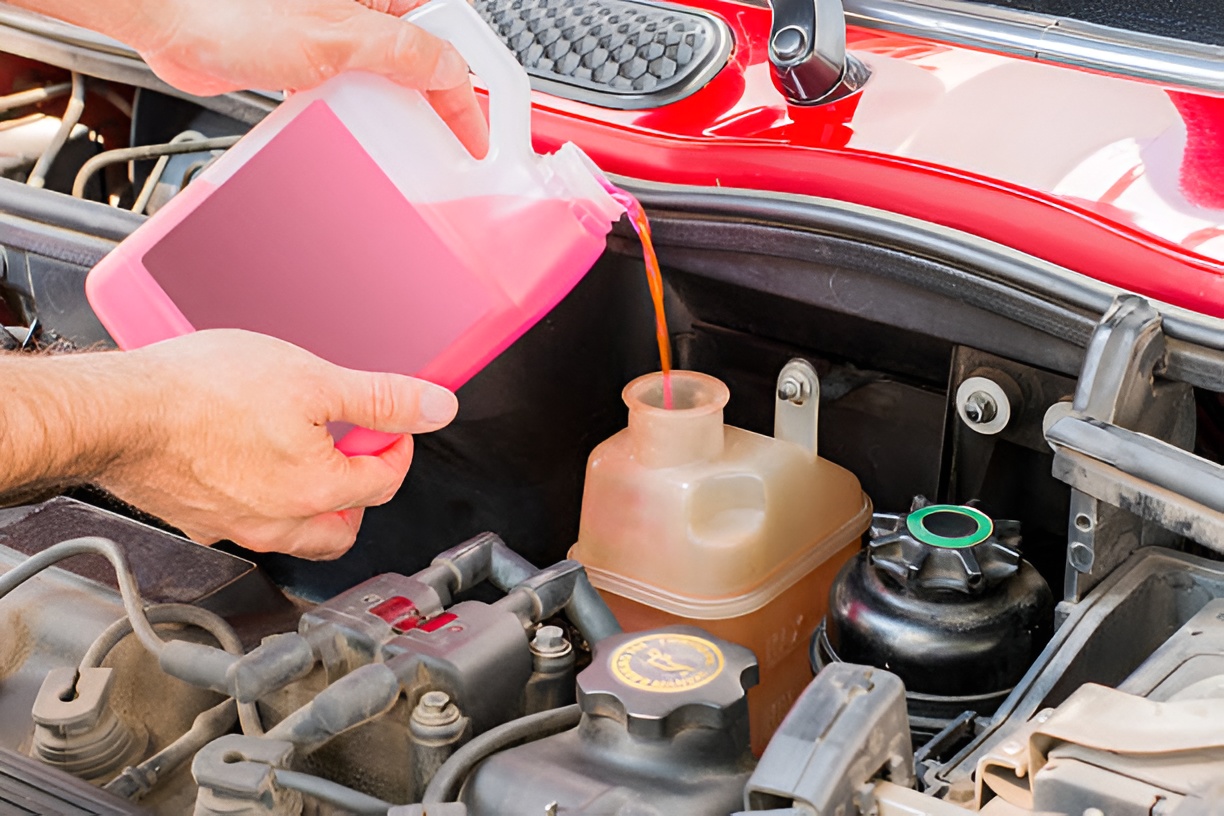
Manual transmissions are typically simpler, as they don’t have filters and often allow the fluid to drain directly from the transmission. Here’s how to do it:
Step 1: Prepare Your Vehicle
- Park on a level surface and engage the parking brake.
- Lift the car with a jack and secure it with jack stands.
- Gather tools and wear safety gear.
Step 2: Drain the Old Fluid
- Locate the drain plug at the bottom of the transmission.
- Place a drain pan underneath and remove the plug.
- Allow the fluid to fully drain.
Step 3: Refill With Fresh Fluid
- Reinstall the drain plug securely.
- Locate the fill plug on the side of the transmission.
- Using a funnel, pour in the manufacturer-recommended fluid until it starts to slightly leak out of the fill hole.
- Reinstall the fill plug and wipe away any spills.
Manual transmissions don’t require a filter change, which makes the process faster and less messy.
Tips for a Smooth Transmission Fluid Change
- Always use the correct fluid type recommended for your car. Using the wrong fluid can damage your transmission.
- Never overfill; too much fluid can cause leaks or foaming.
- Check for leaks after refilling and driving the car for a short distance.
- Work on a level surface to ensure accurate fluid measurement.
- Keep old fluid safe; dispose of it at a recycling center or auto shop.
Common Mistakes to Avoid
- Skipping the filter change on automatic transmissions.
- Forgetting to tighten the drain or fill plugs properly.
- Using generic fluid instead of the manufacturer-specified type.
- Ignoring leaks or fluid discoloration.
- Overfilling or underfilling, which can cause transmission issues.
Avoiding these errors will help you maintain a healthy transmission and prevent costly repairs.
How to Check Your Transmission Fluid Level
In addition to knowing how to change transmission fluid, it’s important to learn how to check transmission fluid to ensure your car runs smoothly and avoids potential transmission problems. For automatic transmissions:
- Park your car on a level surface and engage the parking brake.
- Start the engine and let it idle.
- Pull the transmission dipstick, wipe it clean, reinsert it fully, and then remove it again to check the fluid level.
- Add fluid if it’s below the recommended level, making sure to use the correct type specified in your owner’s manual.
For manual transmissions, the fill plug is usually located on the side of the transmission. The fluid should be level with the bottom of the fill hole, and any excess should be wiped away. Checking your transmission fluid regularly helps prevent issues like overheating, rough shifting, or slipping gears.
How Often Should You Inspect Transmission Fluid?
Even if you haven’t reached the recommended mileage for a full change, inspect your transmission fluid at least every 6 months. Regular checks allow you to spot early signs of trouble like:
- Contamination or discoloration
- Low fluid levels
- Unusual smells
Proactive monitoring helps prevent bigger problems later.
Should You DIY or Hire a Mechanic?
While changing transmission fluid is a manageable DIY task for many car owners, there are reasons to consider a mechanic:
- Limited access to tools or a safe workspace
- Complex automatic transmissions that require specialized equipment
- Lack of confidence in handling hot fluid or heavy components
If you’re comfortable with basic automotive work and follow instructions carefully, you can save money by doing it yourself. Otherwise, a professional ensures the job is done correctly.
Frequently Asked Questions About Transmission Fluid
Q: Can I just top off my transmission fluid instead of changing it?
A: Topping off can help temporarily, but old fluid contains contaminants that reduce efficiency. A full change is recommended periodically.
Q: Is changing fluid different for all-wheel drive cars?
A: Yes, some AWD vehicles have separate transmission and transfer case fluids. Always check the manual.
Q: Can I mix brands of transmission fluid?
A: It’s safest to stick with one brand and type as recommended by the manufacturer. Mixing can affect performance.
Q: How long does it take to change transmission fluid?
A: Manual transmissions can take 30–45 minutes, while automatics may take 1–2 hours, depending on experience and vehicle type.
Wrapping It Up
Knowing how to change transmission fluid is an essential skill for every car owner. Whether you drive an automatic or manual car, regular fluid maintenance keeps your transmission healthy, prevents expensive repairs, and ensures smooth driving. With the right tools, careful attention to detail, and proper disposal of old fluid, this task is both achievable and rewarding for DIY enthusiasts.