
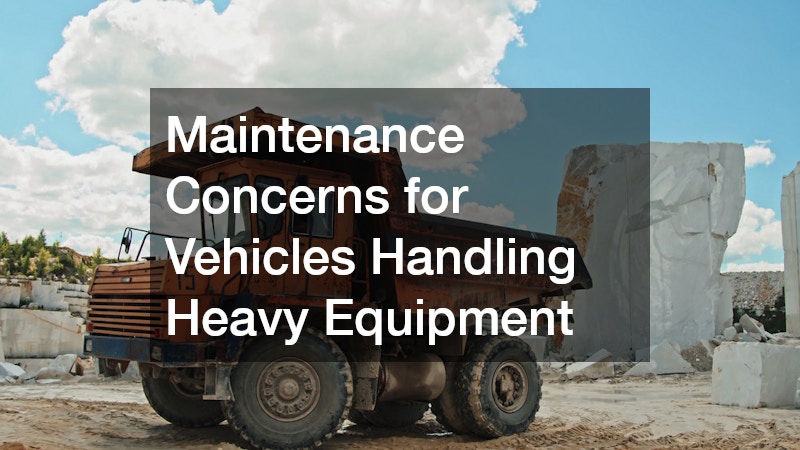
Heavy equipment puts extraordinary demands on the vehicles that haul, tow, power, and support it. Whether the fleet belongs to a construction firm, an agricultural operation, or a municipal service, the maintenance strategy must go far beyond routine oil changes. These vehicles experience higher loads, longer idle times, harsher terrain, and more frequent stop-and-go cycles than standard passenger vehicles. The result is accelerated wear across nearly every system. Fleets that include dump trucks face unique challenges because payload weight shifts constantly, placing stress on frames, braking systems, and drivetrains in ways that lighter vehicles never experience.
Understanding how these stresses accumulate is the first step toward building a maintenance program that prevents downtime and protects capital investments. This article explores the most common maintenance concerns for vehicles that regularly handle heavy equipment, offering practical insights that apply across industries. From engine and electrical systems to hydraulics and fleet management practices, each section highlights why proactive care matters and how neglect can lead to costly failures.
The Impact of Load Cycles and Operating Conditions
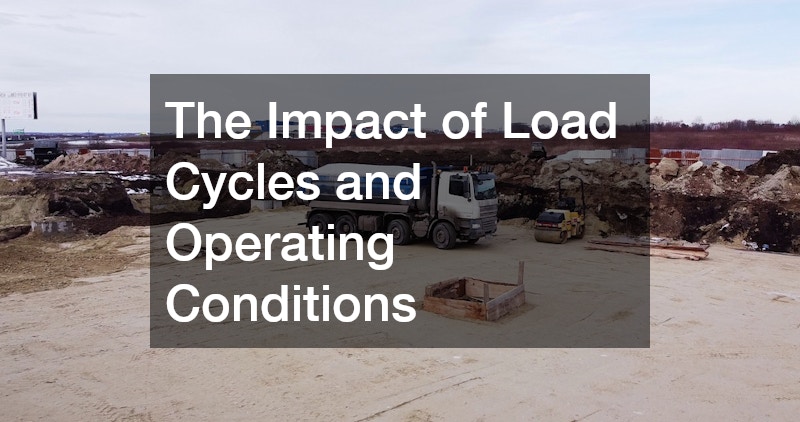
Vehicles designed to handle heavy equipment are often pushed to their limits daily. Frequent loading and unloading cycles, rough terrain, and long hours at low speeds all create operating conditions that accelerate component fatigue. For businesses that rely on skid steer rental units to supplement their fleets during busy seasons, the challenge becomes even greater. Rental units may be operated by different drivers with varying habits, making consistent maintenance harder to enforce.
Load cycles affect everything from wheel bearings to transmission fluid temperatures. When a vehicle repeatedly carries near-maximum capacity, metal components experience microscopic stress fractures that grow over time. Dust, mud, and debris encountered on job sites further complicate matters by infiltrating seals and filters. Maintenance schedules must account for these realities rather than relying on generic manufacturer recommendations. Adjusting service intervals based on real-world usage is essential for vehicles exposed to such demanding conditions.
Fleets incorporating skid steer rental units must further account for the variability in load and operator skill. Different operators may handle the machinery with varying levels of expertise, adding to wear and tear. Additionally, site-specific challenges such as elevation changes and unique soil compositions can exacerbate equipment stress. Building a robust maintenance framework that includes frequent checks after high-use periods ensures all components remain in optimal condition. With consistent oversight, fleet management can pinpoint issues before they arise, promoting long-term reliability.
Engine, Electrical, and Starting System Reliability
Engines in heavy-duty vehicles often idle for extended periods while equipment is loaded, unloaded, or operated. This idling can lead to carbon buildup, diluted oil, and uneven engine wear. Electrical systems also suffer, particularly during frequent starts and stops. Components like starter motors are especially vulnerable because they are engaged more often than in typical highway driving scenarios.
A failing starter can bring an entire operation to a halt, even if the rest of the vehicle is mechanically sound. Preventive maintenance should include regular electrical system inspections, battery load testing, and checks for corrosion at terminals and grounding points. Over time, heat and vibration loosen connections, increasing resistance and strain on electrical components. Replacing worn parts before failure is far less expensive than dealing with a vehicle stranded on a job site with a full load waiting to be moved.
The regular use of starter motors in extreme conditions requires vigilance in maintenance checks. It’s not uncommon for these components to face premature wear, especially when operating in cold or damp conditions that impact electrical conductivity. Training operators to notice early signs of starter problems, like grinding noises or sluggish engine cranking, can save valuable time and resources. By emphasizing starter motor health within routine checks, operators ensure dependable performance during critical operations, helping prevent unplanned downtimes.
Hydraulic Systems Under Constant Pressure
Hydraulic systems are the lifeblood of many heavy-equipment-support vehicles. From lift gates to auxiliary power units, hydraulics enable the movement and control of massive loads. Leaks, contamination, and pressure loss are common issues that can quickly escalate if ignored. Many fleets depend on professional hydraulic repair services to diagnose and correct problems that go beyond basic hose replacement.
Hydraulic fluid cleanliness is a critical but often overlooked factor. Contaminated fluid accelerates wear on pumps, valves, and cylinders, leading to reduced efficiency and eventual failure. Regular fluid analysis can reveal early signs of trouble, such as metal particles or moisture intrusion. By scheduling inspections and partnering with experienced hydraulic repair services, fleet managers can extend component life and avoid catastrophic breakdowns that disrupt operations.
Utilizing hydraulic repair services emphasizes the importance of expert intervention when fluid anomalies are detected. Specialized repair services bring precision tools and experience, adept at tracing subtle issues potentially missed during routine checks. Furthermore, investing in quality hydraulic fluids can mitigate wear effects, improving overall system performance. Periodic engagement with hydraulic specialists ensures alignment with latest standards and advances, enhancing equipment longevity and functionality.
Suspension, Frame, and Ride Control Challenges
The suspension system absorbs the constant punishment of uneven loads and rough surfaces. Springs, shocks, bushings, and frames all bear the brunt of heavy equipment handling. Upgrading or maintaining a quality suspension kit can make a significant difference in vehicle longevity and operator comfort. A worn suspension not only affects ride quality but also compromises steering control and braking performance.
Regular inspections should focus on sagging springs, leaking shocks, and cracked mounting points. Vehicles that frequently haul heavy equipment benefit from suspension components designed specifically for high loads. Investing in a robust suspension kit reduces stress on the frame and helps maintain proper alignment, which in turn extends tire life. Over time, these improvements translate into lower operating costs and improved safety for drivers navigating challenging environments.
Diligent upkeep of a suspension kit safeguards both the equipment and operator well-being. Operators trained to report unusual ride sensations provide an early alert for potential suspension issues. As terrain harshness varies significantly across different sites, customization of suspension systems per use-case proves effective. This tailored approach supports not just vehicle longevity but also reduces driver fatigue, leading to enhanced operator efficiency and safety.
Managing Fuel, Fluids, and Support Equipment
Efficient fueling and fluid management are essential for fleets that operate in remote or busy job sites. Portable tanks, pumps, and fuel reels are commonly used to keep vehicles running without unnecessary trips back to a central depot. While convenient, this equipment introduces additional maintenance considerations that should not be overlooked.
Fuel reels and hoses are exposed to weather, dirt, and mechanical stress, increasing the risk of leaks or contamination. Regular inspections ensure that seals remain intact and that dispensing equipment functions safely. Contaminated fuel can damage injectors and pumps, leading to costly repairs and downtime. Proper storage, filtration, and routine checks of fueling equipment help protect the vehicles that rely on them, ensuring consistent performance in demanding conditions.
The significance of high-quality fuel reels extends beyond immediate efficiency; it ensures longevity and reliability. Frequent examination of reel systems underpins consistent fuel supply free from particulates that could disrupt engine operations. Establishing protocols that include clean and sheltered storage for portable fueling units minimizes unnecessary wear and tear. Investing in advanced filtration systems enhances fuel purity, thereby reducing potential issues related to injector blockages and performance dips.
Attachments, Interfaces, and Wear Points
Vehicles that support heavy equipment often interact with a wide range of attachments and accessories. For example, transport vehicles that handle machines with various skid loader attachments must contend with shifting weights and changing balance points. These factors place additional strain on hitch assemblies, tie-downs, and loading mechanisms.
Wear points develop where metal meets metal, particularly when attachments are frequently changed. Pins, bushings, and mounting brackets should be inspected regularly for elongation or cracking. Lubrication schedules must be strictly followed to prevent premature wear. By paying close attention to these interfaces, fleet managers can avoid sudden failures that compromise safety and damage expensive equipment during transport or operation.
Frequent transitions of skid loader attachments necessitate meticulous attention to interface integrity. Ensuring that lubrication routines are up-to-date protects against friction-related degradation. Implementing regular training sessions on correct attachment processes enhances operational safety and tool longevity. Proactive management of attachments ensures seamless integration with vehicle systems, maintaining consistent high performance across diverse functional demands.
Mixed-Use Fleets and Specialized Service Needs
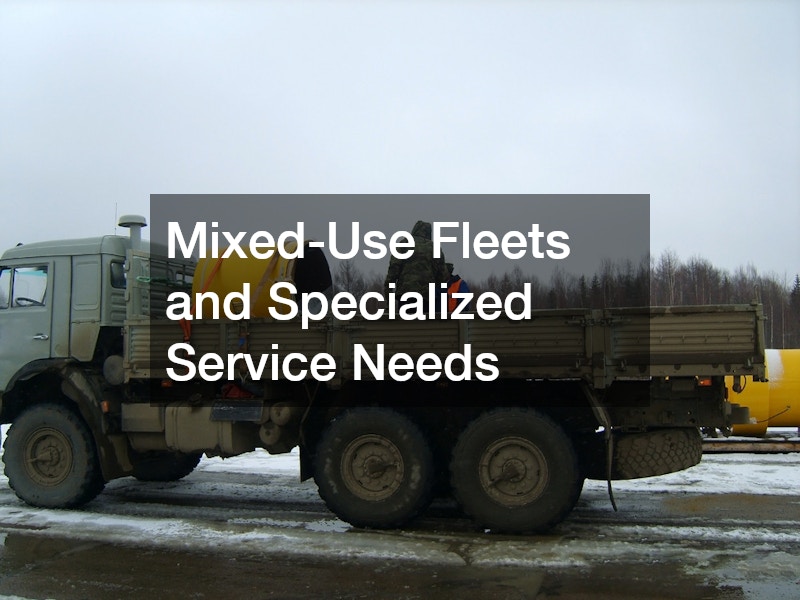
Some organizations operate mixed-use fleets that include service vehicles, transport trucks, and even recreational units used for mobile offices or temporary housing. In such cases, maintenance needs can overlap in unexpected ways. For example, a company that occasionally requires an RV repair service for on-site living quarters may also apply similar preventative principles to its heavy-duty vehicles.
Electrical systems, plumbing, and climate control units in mobile support vehicles face many of the same stresses as those in heavy equipment haulers. Vibration, temperature extremes, and extended use all contribute to wear. Coordinating maintenance across different vehicle types encourages a more holistic approach, ensuring that no component is neglected simply because it falls outside traditional fleet categories.
Integrating RV repair service methodologies with heavy-duty maintenance enhances fleet value retention. Cross-training fleet technicians on a variety of vehicle types ensures that complex systems are handled with consistent expertise. Standardizing service intervals across vehicle classes fosters a unified fleet strategy. Strategic alignment between service categories anticipates shared stress points and optimizes resource deployment across all vehicle types.
Procurement, Lifecycle Planning, and Asset Value
Maintenance concerns should influence procurement decisions from the very beginning. Vehicles selected to handle heavy equipment must be evaluated not only for upfront cost but also for long-term serviceability. Businesses involved in tractor sales, for instance, often consider resale value when choosing models known for durability and ease of maintenance.
Lifecycle planning includes anticipating major overhauls, component replacements, and eventual retirement. Well-documented maintenance histories enhance resale value and make assets more attractive on the secondary market. By aligning purchasing decisions with realistic maintenance capabilities, organizations can reduce the total cost of ownership and ensure that vehicles remain reliable throughout their service lives.
Predictive maintenance initiatives aligned with procurement planning fortify fleet sustainability. Utilizing data-driven insights during tractor sales operations aids in pinpointing machinery finesse and longevity. Cultivating partnerships with suppliers delivers enhanced access to maintenance resources and aftermarket solutions. Procuring equipment with a lifecycle-centric outlook ensures seamless integration of new acquisitions into existing or evolving fleet strategies.
Building a Culture of Preventive Maintenance
At the heart of every successful fleet is a culture that prioritizes proactive care. Routine inspections, clear reporting channels, and timely truck repairs all contribute to reduced downtime and safer operations. Drivers play a crucial role by identifying unusual noises, vibrations, or performance changes before they escalate into major problems.
Training programs should emphasize the importance of daily walk-around checks and accurate maintenance logs. When minor issues are addressed promptly, vehicles remain dependable even under heavy workloads. Over time, consistent truck repairs and preventive practices build trust in the fleet’s reliability, allowing operators to focus on productivity rather than unexpected breakdowns.
An ingrained culture of proactive maintenance bolsters a fleet’s operational integrity. Encouraging open communication among team members regarding vehicle condition cultivates a responsive maintenance ethos. Regular workshops focusing on common issues across vehicle classes enhance collective problem-solving capabilities. By harnessing collective expertise, fleets manage to preempt defects before they impede operations, reducing long-term service costs.
Long-Term Reliability Through Attention to Detail

Vehicles that handle heavy equipment are essential assets that demand a higher standard of care. From managing complex hydraulic systems to maintaining structural integrity under extreme loads, every detail matters. Fleets that rely on skid steer rental units, maintain specialized fueling setups with fuel reels, or operate alongside mobile living spaces requiring RV repair service must adopt flexible, informed maintenance strategies.
Ultimately, success depends on recognizing that heavy equipment handling is not a single challenge but a collection of interconnected stresses. By investing in quality components like a reliable suspension kit, monitoring critical systems such as starter motors, and planning for future needs through informed tractor sales decisions, organizations can keep their fleets running efficiently. Thoughtful maintenance is not just about fixing problems—it is about preventing them, ensuring safety, and maximizing the value of every vehicle entrusted with heavy work.
Comprehensive maintenance approaches secure fleet resilience in challenging environments. Continuous refinement of strategies based on field data leads to sustained operational readiness and efficiency. Rethinking conventional methods by embracing innovation ensures that fleet performance evolves alongside industrial demands. By embracing both macro and micro levels of maintenance, organizations position themselves at the forefront of industry productivity and excellence.