

A successful auto repair shop is more than a place to fix a car. It’s a hub for vehicle care that combines safety, efficiency, and appearance to keep vehicles running their best. Customers want convenience, reliability, and expertise under one roof. A shop that can handle routine maintenance, complex repairs, and vehicle enhancements not only keeps cars in peak condition but also builds lasting trust with drivers.
Customers increasingly value convenience, reliability, and professionalism. They want a shop where routine maintenance, complex mechanical repairs, and cosmetic enhancements can all be performed under one roof. From oil changes and brake repair to suspension adjustments, transmission services, and even auto detailing or window tinting, a well-rounded shop ensures that vehicles are maintained holistically. This integrated approach minimizes the need for multiple visits to different service providers and saves customers both time and stress.
In this article, we’ll cover 10 essential services every auto repair shop should offer, explaining why they matter, the benefits they provide, and how they contribute to vehicle longevity and customer satisfaction.
1. What is the importance of oil change services?

Oil is the lifeblood of your engine. It lubricates moving parts, reduces friction, and carries heat away from critical components. Over time, oil degrades and becomes contaminated, reducing its effectiveness. Regular oil changes prevent engine damage, maintain efficiency, and prolong vehicle life.
Benefits of routine oil changes:
- Understanding Engine Efficiency: Fresh oil reduces friction, allowing the engine to run smoothly. This translates to better acceleration and performance.
- Prolonging Engine Life: Regular maintenance prevents sludge buildup that can cause severe wear or engine failure.
- Optimal Fuel Economy: Clean oil ensures less energy is wasted on overcoming friction, improving miles per gallon.
- Preventing Engine Wear: Oil traps debris and microscopic metal particles, preventing them from scratching engine components.
- Recommended Oil Change Frequency: Most manufacturers suggest intervals of 3,000–7,500 miles depending on oil type and vehicle usage.
Pro tip: Combining oil changes with an inspection of belts, hoses, and fluids ensures minor issues are caught before they escalate into costly repairs.
2. How critical are brake repair services?
Brakes are one of the most important safety features of any vehicle. Worn brake pads, damaged rotors, or leaking brake fluid can lead to accidents or total system failure. Regular brake maintenance ensures your car stops safely under all conditions.
Key aspects of brake repair:
- Safety Concerns: The braking system prevents accidents and protects passengers. Ignoring brake problems increases the risk of collisions.
- Signs of Brake Wear: Squealing noises, vibrations, or a soft brake pedal indicate worn components.
- Brake System Components: Pads, rotors, calipers, and brake lines all require inspection and occasional replacement.
- Importance of Regular Inspections: Routine checks help catch issues early, saving money on more extensive repairs.
- Choosing Quality Brake Parts: High-quality parts provide consistent stopping power and longer service life.
Extra tips: Many auto repair shops also inspect related systems like suspension and tires during brake service, ensuring overall vehicle safety.
3. Why should an auto shop offer tire services?

Tires are the vehicle’s only point of contact with the road. Proper tire care impacts safety, fuel efficiency, and ride comfort. Offering tire services helps drivers avoid blowouts, improve handling, and save money over the long term.
Essential tire services include:
- Tire Rotation Benefits: Rotating tires every 5,000–7,000 miles ensures even tread wear, extending tire life.
- Balancing and Alignment: Misaligned wheels or unbalanced tires can cause vibration, uneven wear, and reduced fuel economy.
- Tire Replacement Indicators: Tread depth below 2/32 inch, cracks, bulges, or uneven wear are signs that tires need replacement.
- Impact on Fuel Efficiency: Properly inflated and balanced tires reduce rolling resistance, improving gas mileage.
- Ensuring Road Safety: Well-maintained tires enhance traction and control, especially in wet or icy conditions.
Expert tip: A full tire service may also include inspecting brakes, suspension, and steering to ensure the vehicle drives safely and smoothly.
4. What are the benefits of battery replacement services?
A reliable battery is critical for starting your vehicle and powering electrical systems. A failing battery can leave a driver stranded, cause electronic malfunctions, or even damage other components like the alternator.
Battery maintenance and replacement:
- Symptoms of a Failing Battery: Slow engine crank, dimming lights, warning indicators, and unusual dashboard behaviors.
- Battery Testing Procedures: Auto repair shops use voltage checks and load tests to determine battery health.
- Choosing the Right Battery: Selecting a battery with the correct size, type, and cold-cranking amps ensures reliable performance.
- Installation and Maintenance Tips: Proper terminal cleaning, secure mounting, and inspection prevent premature failure.
- Impact on Vehicle Performance: A fully charged battery ensures smooth starts, reliable electronics, and prevents engine stress.
Pro insight: Combining battery service with alternator and starter checks helps prevent future electrical issues.
5. How essential are engine diagnostic services?
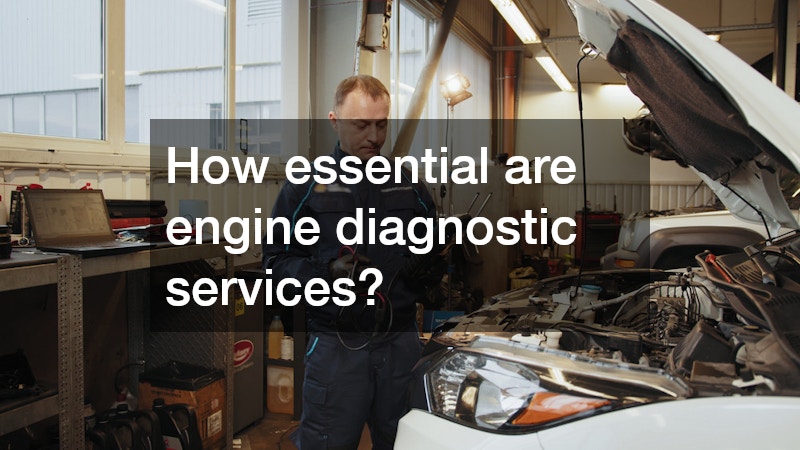
Modern vehicles are highly complex, relying on electronic systems and sensors to monitor engine performance. Engine diagnostics identify issues early, saving costly repairs and improving vehicle reliability. These diagnostics also allow a technician to assess critical systems like the transmission, ensuring timely maintenance or a professional transmission repair service to prevent major failures and maintain smooth, efficient operation.
When it comes to vehicle inspections, having a local auto mechanic you trust makes all the difference. They not only understand the specific needs of your car but can also provide personalized advice on routine maintenance, brake repair, and suspension care. Working with a skilled local mechanic ensures that small issues are addressed early, preventing major breakdowns and keeping your vehicle running safely and efficiently.
Key points about engine diagnostics:
- Identifying Engine Issues: Misfires, fuel inefficiencies, sensor failures, and emission problems can all be detected early.
- Diagnostic Tools and Techniques: Mechanics use advanced scanners to read fault codes, analyze data, and pinpoint problems.
- Benefits of Early Detection: Catching issues early prevents minor problems from becoming major repairs.
- Saving on Costly Repairs: Early detection reduces labor and replacement costs.
- Improving Vehicle Performance: Addressing engine issues promptly enhances fuel efficiency, power output, and emissions compliance.
Extra tip: Engine diagnostics are especially useful for semi trucks, which require specialized maintenance due to their size and operational demands.
6. What is the role of transmission services?
The transmission is a critical component that transfers power from the engine to the wheels. Transmission problems can drastically affect drivability, fuel economy, and even vehicle safety. Offering comprehensive transmission services is essential for any full-service auto repair shop.
Transmission maintenance and repair:
- Recognizing Transmission Problems: Signs include delayed gear engagement, slipping gears, unusual noises, or warning lights.
- Maintenance and Fluid Checks: Transmission fluid should be inspected regularly for color, level, and contamination.
- Transmission Repair vs. Replacement: Minor repairs like solenoid replacements or fluid flushes can solve issues, while severe damage may require a full replacement.
- Enhancing Vehicle Longevity: Proper transmission care prevents expensive failures and extends the overall lifespan of the vehicle.
- Troubleshooting Guides: Routine diagnostics allow mechanics to pinpoint early signs of wear and prevent total breakdowns.
Pro tip: Offering transmission services for both standard vehicles and semi trucks positions an auto repair shop as a trusted destination for all drivers.
7. Why are air conditioning repair services necessary?
Air conditioning is more than a comfort feature in a vehicle—it affects safety, visibility, and overall driving experience. Drivers rely on a functioning AC system to stay alert and comfortable, especially during extreme weather conditions. Additionally, a failing AC system can signal other mechanical issues, like compressor or electrical problems, that require attention.
Key aspects of AC repair services:
- Common AC Problems: Refrigerant leaks, faulty compressors, clogged condensers, or worn-out fans can reduce cooling performance. Recognizing early signs prevents costly replacements.
- Regular Maintenance Benefits: Periodic inspection of belts, hoses, and refrigerant levels ensures consistent performance and reduces wear on the AC system.
- Impact on Comfort and Safety: A working AC prevents driver fatigue, keeps the cabin cool, and maintains proper defogging of windows in humid conditions.
- Cost Implications of Neglect: Ignoring small AC issues may lead to compressor failure, which is often expensive to replace.
- Environmental Considerations: Properly handling refrigerants during service protects the environment and ensures compliance with local regulations.
Pro tip: Pairing AC maintenance with a check of electrical systems or auto tinting services ensures both comfort and energy efficiency, as tinted windows reduce heat load and improve AC efficiency. This combined approach also helps identify hidden issues early, preventing costly repairs and keeping the entire system running smoothly.
8. How do routine maintenance services benefit vehicle owners?

Routine maintenance is the backbone of vehicle longevity and reliability. It includes inspections, fluid changes, and small adjustments that prevent major issues, saving vehicle owners time, stress, and money. A well-maintained vehicle not only runs smoothly but also retains higher resale value.
Benefits of routine maintenance:
- Preventative Care: Regular checks catch minor issues like worn belts, low fluids, or filter clogs before they escalate into major repairs.
- Recommended Schedules: Most vehicles benefit from maintenance every 5,000–10,000 miles, including oil changes, fluid checks, and filter replacements.
- Checklist of Common Services:
- Oil and filter changes
- Brake inspections
- Battery tests
- Tire rotations and alignments
- Transmission fluid and coolant checks
- Fuel Efficiency and Emissions: Keeping filters clean, fluids topped off, and tires properly inflated helps maximize fuel economy and reduces emissions.
- Impact on Resale Value: Well-documented maintenance history assures buyers of the vehicle’s reliability, increasing trade-in or resale value.
Extra tip: Many auto repair shops combine routine maintenance with services from an auto detailing business, offering interior cleaning, waxing, or minor cosmetic fixes. This not only improves the vehicle’s appearance but encourages customer loyalty and repeat visits.
9. What are the advantages of offering suspension and steering services?
Suspension and steering systems are critical for safety, handling, and comfort. These systems absorb shocks, maintain tire contact with the road, and ensure precise control. Neglecting suspension and steering can lead to uneven tire wear, poor handling, and unsafe driving conditions.
Key benefits of suspension and steering services:
- Identifying Symptoms Early: Signs of suspension issues include uneven tire wear, vehicle pulling to one side, excessive bouncing, or clunking noises while driving.
- Importance of Steering Adjustments: Properly aligned steering improves vehicle handling, reduces strain on tires, and enhances driver confidence, especially on long trips.
- Ride Comfort: Shock absorbers, struts, and bushings absorb road imperfections, preventing a harsh or bumpy ride.
- Vehicle Control and Stability: Maintaining suspension components ensures safe braking, cornering, and maneuvering, particularly in emergency situations.
- Long-Term Vehicle Health: Worn suspension parts can damage tires, chassis components, and even impact brake performance if ignored.
Pro tip: Offering suspension and steering services for semi truck maintenance is especially valuable, as larger vehicles experience more stress on these components and require specialized inspections. Proper care reduces costly breakdowns and improves driver safety. Regular inspections and timely repairs also extend the lifespan of critical components, ensuring smoother handling and greater reliability on the road.
10. How do exhaust system services affect vehicle performance?
The exhaust system plays a critical role in engine efficiency, emissions control, and noise reduction. A damaged or clogged exhaust system can reduce engine power, increase fuel consumption, and even pose safety hazards due to carbon monoxide leaks.
Key considerations for exhaust services:
- Common Problems: Rusted pipes, leaks, broken hangers, or failing catalytic converters can all compromise performance.
- Environmental and Legal Considerations: A well-maintained exhaust system reduces harmful emissions and ensures compliance with regulations.
- Impact on Engine Performance: Efficient exhaust flow helps maintain engine power, fuel efficiency, and smooth operation.
- Noise Issues: Unusual rattling, hissing, or loud exhaust sounds often indicate leaks or worn components.
- Testing and Repairs: Technicians inspect the system, replace damaged components, and ensure proper alignment and flow for optimal performance.
Pro tip: While addressing exhaust issues, auto repair shops often combine inspections with other critical services, like dent repairs or auto transmission repairs, creating a comprehensive care package for customers. In addition to mechanical upkeep, many auto repair shops offer dent repairs as part of their cosmetic services. Fixing dents not only improves the vehicle’s appearance but also helps prevent rust and structural damage. Combining dent repairs with detailing, tinting, or routine maintenance ensures the car looks as good as it runs, giving customers a complete, worry-free service experience.
A full-service auto repair shop offers more than quick fixes—it provides peace of mind, safety, and performance for every vehicle. From routine maintenance and engine diagnostics to brake repair, suspension work, and cosmetic care, these ten core services ensure vehicles remain reliable, efficient, and attractive.
Investing in skilled technicians, proper tools, and high-quality parts allows shops to address minor issues before they escalate, maintain vehicle performance, and create satisfied, repeat customers. Whether it’s servicing a family car or performing semi truck maintenance, these services build trust and establish the shop as a go-to destination for all automotive needs.
Offering a combination of mechanical repairs, preventative maintenance, and cosmetic enhancements—such as auto detailing business services and auto tinting—ensures customers leave confident that every aspect of their vehicle is cared for. A well-rounded shop not only keeps vehicles in top shape but also strengthens customer loyalty and supports long-term business success.
By integrating cosmetic enhancements with essential mechanical services, shops can ensure vehicles are not only mechanically sound but also visually appealing and comfortable. For example, a freshly detailed interior combined with a smooth-running engine and properly functioning brakes creates a driving experience that inspires confidence and satisfaction. Customers leave knowing their vehicle has been cared for holistically—inside, out, and under the hood.